What Is ABA Therapy?
Evidence-based support for meaningful everyday progress.
Applied Behavior Analysis, or ABA, is a personalized approach that helps children learn useful skills, build independence, and reduce barriers that affect everyday life.

Understanding ABA
A practical approach to learning and behavior
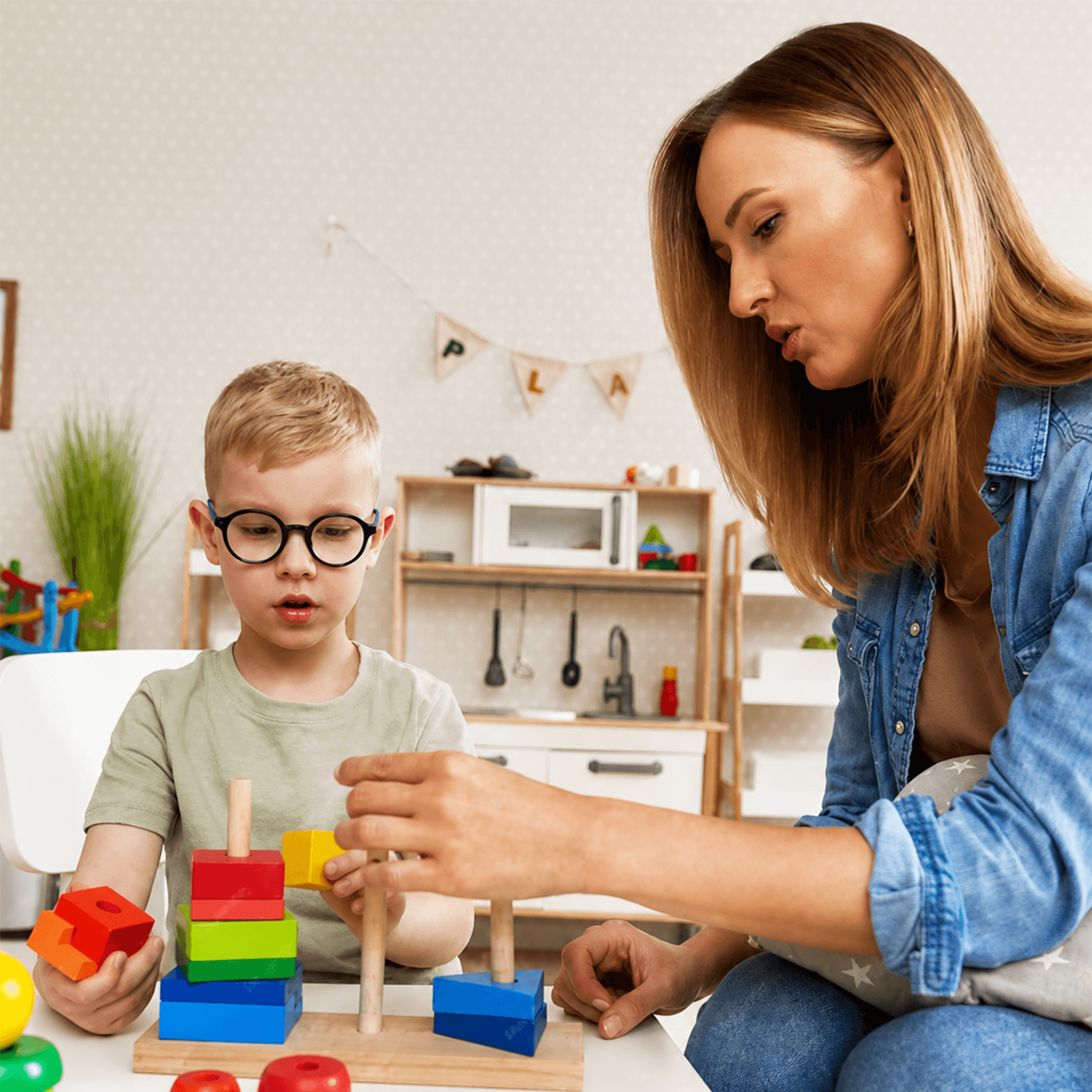
ABA focuses on understanding the relationship between a person’s behavior and the environment around them.
Therapists break larger goals into smaller, achievable steps and use encouragement and positive reinforcement to help new skills grow.
Every program is individualized. The goals, teaching methods, pace, and level of support are selected based on the child’s strengths, needs, and family priorities.
ABA is not one fixed program.
It is a flexible framework used to create personalized support for each child.
Benefits of ABA
Skills that support everyday life
Goals are selected based on what matters most to the child and family.
Communication Skills
ABA can support verbal and nonverbal communication, helping children express needs, make choices, and connect with others.
Social Development
Children can practice turn-taking, shared attention, play skills, conversation, and relationship-building.
Learning Readiness
ABA can strengthen attention, following directions, task completion, and other skills that support learning.
Daily Living Skills
Programs may target routines such as dressing, eating, hygiene, toileting, and greater independence.
Behavior Support
Therapists identify why a behavior is happening and teach safer, more effective alternatives.
Family Support
Parents and caregivers receive practical guidance so progress can continue beyond therapy sessions.
How ABA Works
A clear process from assessment to progress
01
Assessment
A BCBA evaluates your child’s strengths, needs, communication, behavior, and family priorities.
02
Personalized Plan
The care team creates clear, measurable goals tailored to your child and everyday routines.
03
Therapy Sessions
A trained therapist works one-on-one with your child using structured teaching, play, and positive reinforcement.
04
Progress Tracking
The team collects data, reviews progress regularly, and updates the plan when needed.
05
Family Collaboration
Caregivers receive ongoing coaching and support to help skills generalize across settings.
Positive Reinforcement
Encouraging progress through motivation and success
Positive reinforcement means recognizing and rewarding helpful behaviors and new skills so they are more likely to happen again.
Reinforcement may include praise, preferred activities, play, access to meaningful items, or other motivators selected for the individual child.
Goals are broken into manageable steps
Teaching is adjusted based on progress
Motivation is personalized for the child
Success is practiced across different settings

Family Collaboration
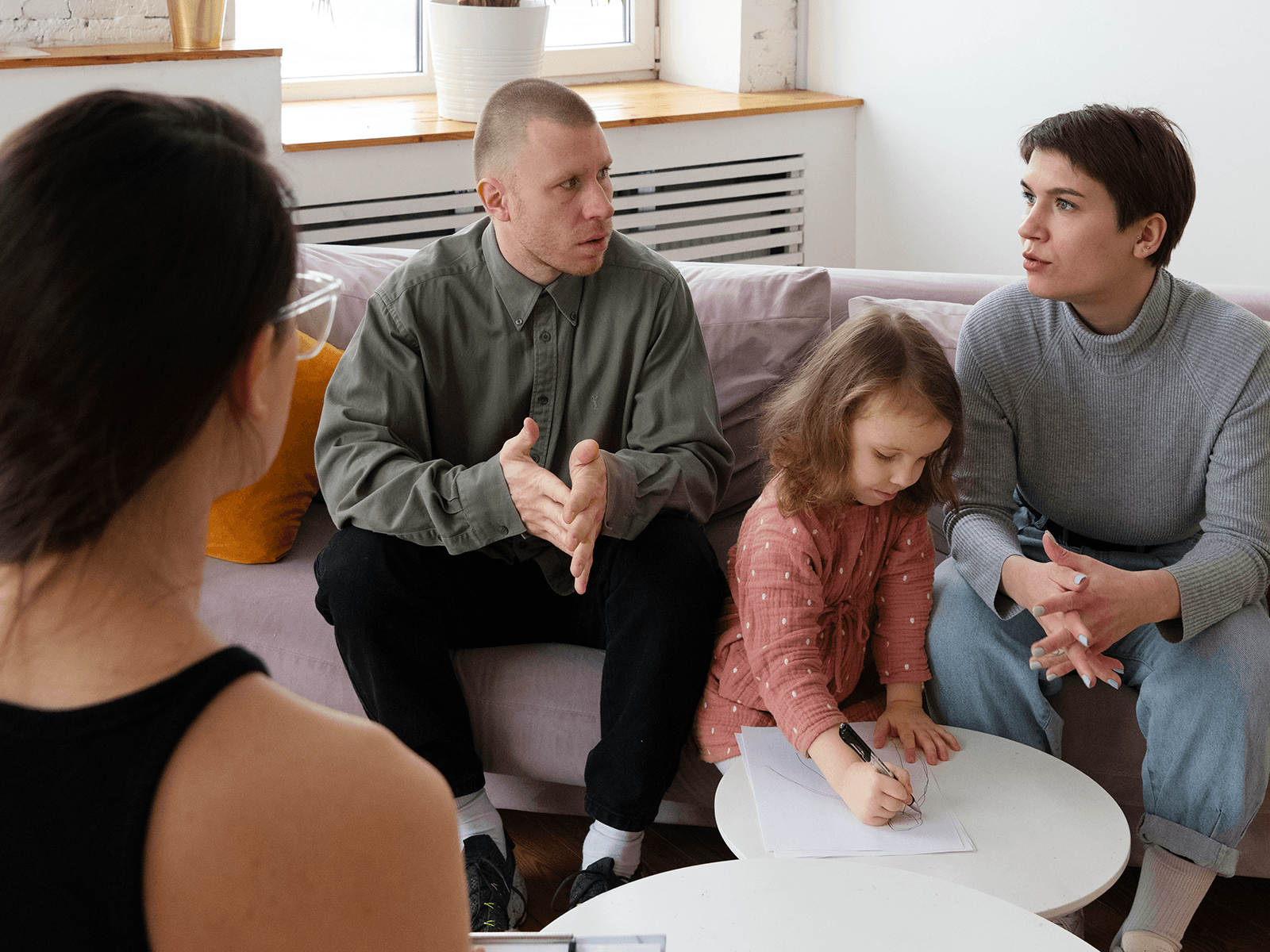
Families are an essential part of the care team
ABA therapy is most effective when skills are supported beyond scheduled sessions.
Our team works with parents and caregivers to understand goals, share progress, practice strategies, and help new skills carry into home and community routines.
Common Questions
What families often ask about ABA
What does ABA stand for?+
ABA stands for Applied Behavior Analysis. It is an evidence-based approach that studies how behavior works and how learning takes place.
Is ABA only for autism?+
ABA is commonly used to support individuals with autism, but its principles can also be used to teach many types of skills and support different needs.
Where can ABA therapy take place?+
Depending on the child’s needs and service availability, ABA may take place at home, in a clinic, at school, or in community settings.
How many hours of therapy will my child need?+
The recommended number of hours depends on your child’s assessment, goals, age, needs, and insurance authorization.
Find out whether ABA therapy is right for your child.
Our intake team can guide you through diagnosis requirements, insurance verification, assessment, and next steps.