Improved Communication
Learning how to start, maintain, and appropriately end conversations with peers and adults.
Autism Social Skills Training Groups
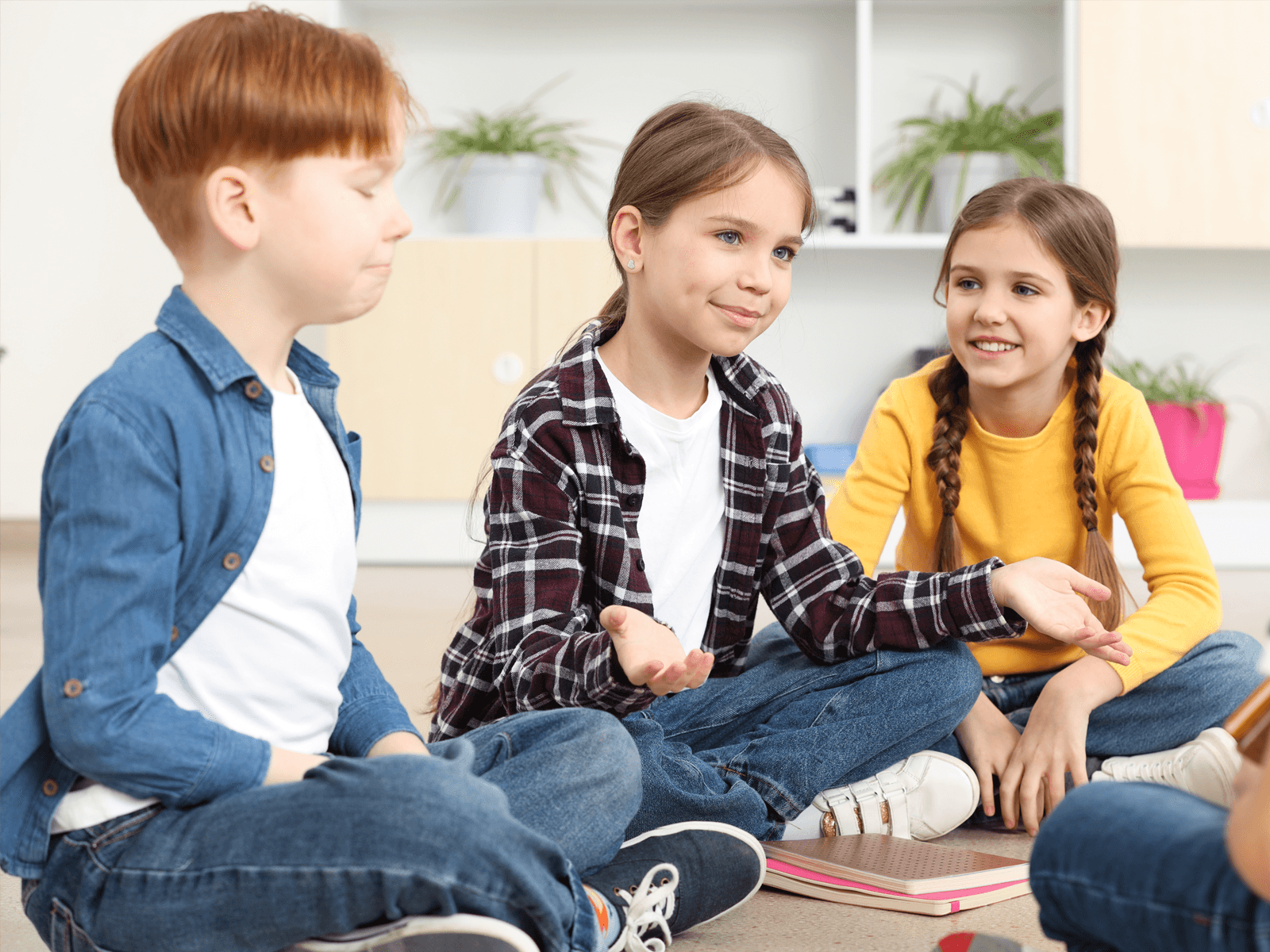
Friendships matter. Confidence matters. At Go Behavioral, our autism social skills training groups give children and teens a safe, supportive, and joyful space to learn how to connect with others, build friendships, and navigate the social world with confidence.
Led by compassionate professionals, our programs help children understand emotions, practice communication, and gain the tools they need to thrive in relationships.
More than just a class, every group is a community where children feel accepted, supported, and celebrated.
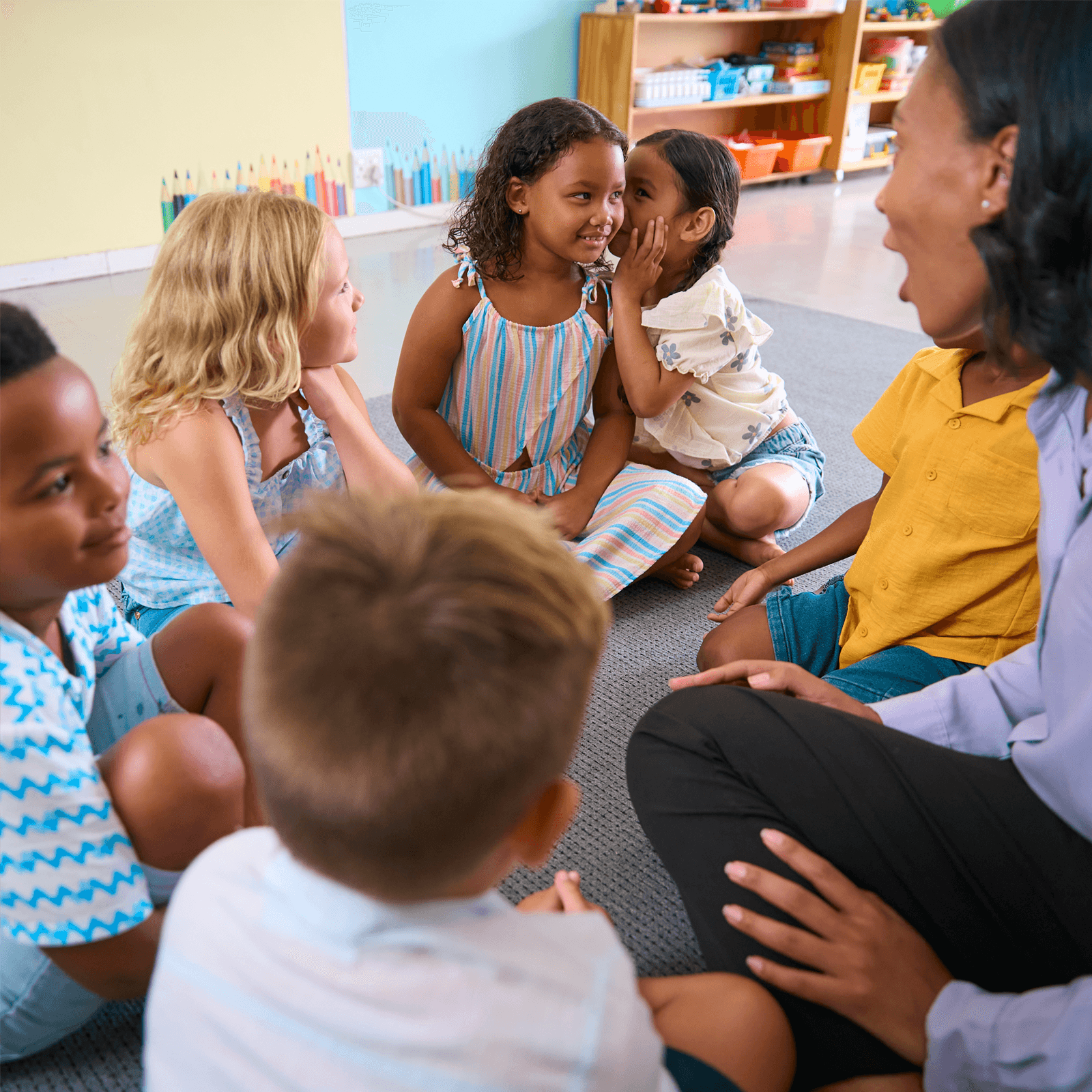
Small supportive groups
Grouped by age and skill level.
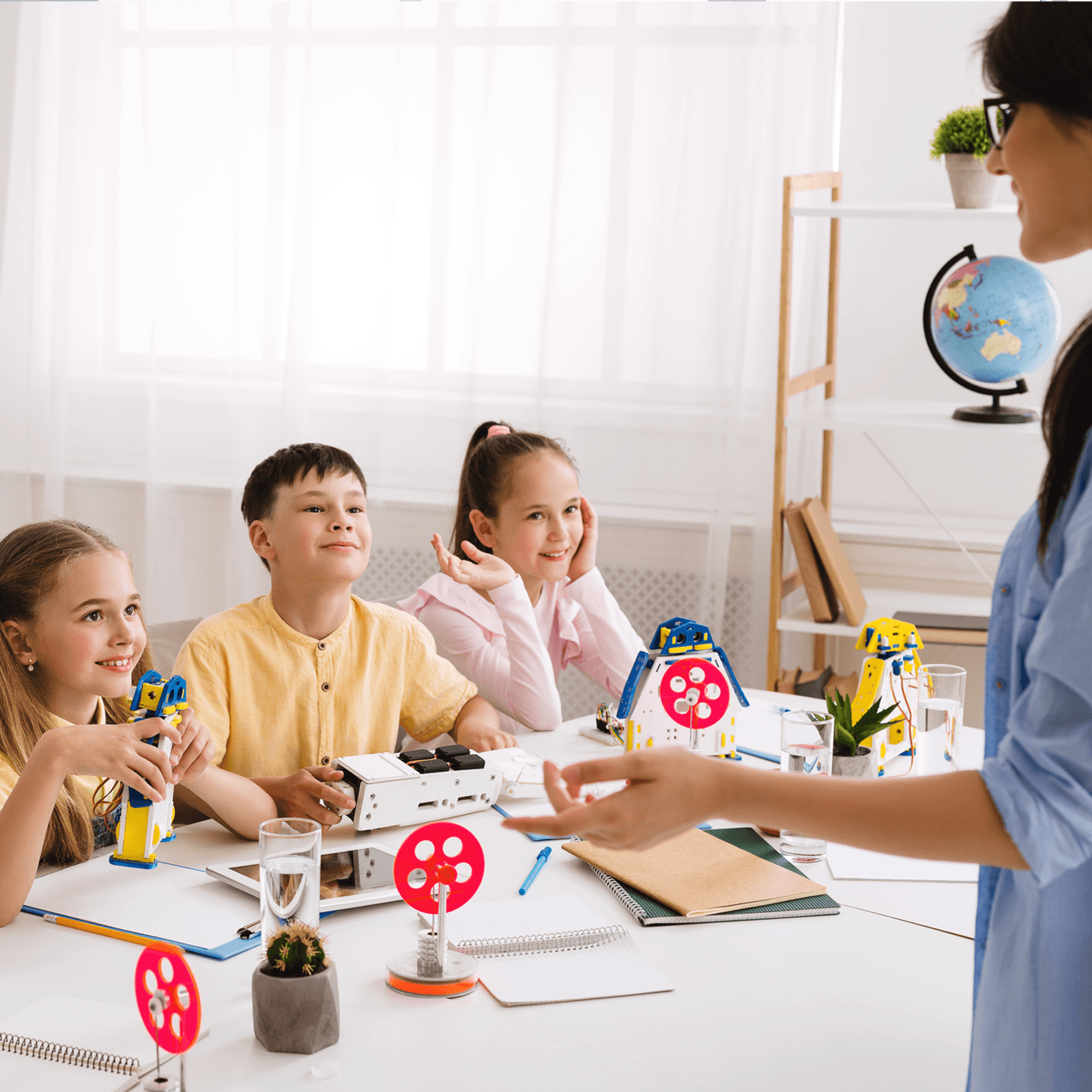
Why Social Skills Training Matters
For many children with Autism Spectrum Disorder, everyday social interactions can feel overwhelming. Starting conversations, reading nonverbal cues, sharing, or understanding the emotions of others may create barriers to friendship and self-confidence.
Without appropriate support, these challenges may affect a child’s school experience, relationships, and emotional well-being.
Our structured ASD social skills training groups directly teach and practice these essential skills using evidence-based methods rooted in Applied Behavior Analysis.
With the right strategies, children learn not only how to interact, but also how to feel comfortable and confident doing so.
Benefits of Autism Social Skills Training
Structured social skills programs give children and teens practical tools for communicating, connecting, and participating more confidently in everyday life.
Learning how to start, maintain, and appropriately end conversations with peers and adults.
Practicing cooperation, turn-taking, sharing, friendship-building, and positive peer interaction.
Reducing anxiety and increasing comfort, participation, and confidence in group environments.
Recognizing, understanding, and managing personal emotions while identifying the feelings of others.
Navigating social challenges such as disagreement, conflict resolution, compromise, and teamwork.
Applying social skills confidently across school, home, family, and community environments.
Confidence in social interaction can improve school performance, family life, relationships, and a child’s sense of belonging.
Call NowWhat Our Social Skills Classes Include
Our social skills groups are thoughtfully designed to ensure each child feels supported while gaining practical skills they can use in everyday life.
Children are grouped by age and skill level, including ages 4–6, 7–10, and 11–17, to support comfort, learning, and peer connection.
Sessions integrate ABA principles, social stories, role-playing, visuals, and hands-on activities in a structured and engaging format.
Each group targets everyday communication, social understanding, emotional awareness, cooperation, and friendship skills.
Games, projects, play, and community activities help children generalize social skills to natural environments.
Families receive feedback and practical home strategies to reinforce skills across daily routines.
Key Focus Areas
Initiating and maintaining conversations
Turn-taking, sharing, and cooperation
Reading facial expressions, body language, and tone
Understanding and expressing emotions
Problem-solving in social situations
Building and maintaining lasting friendships
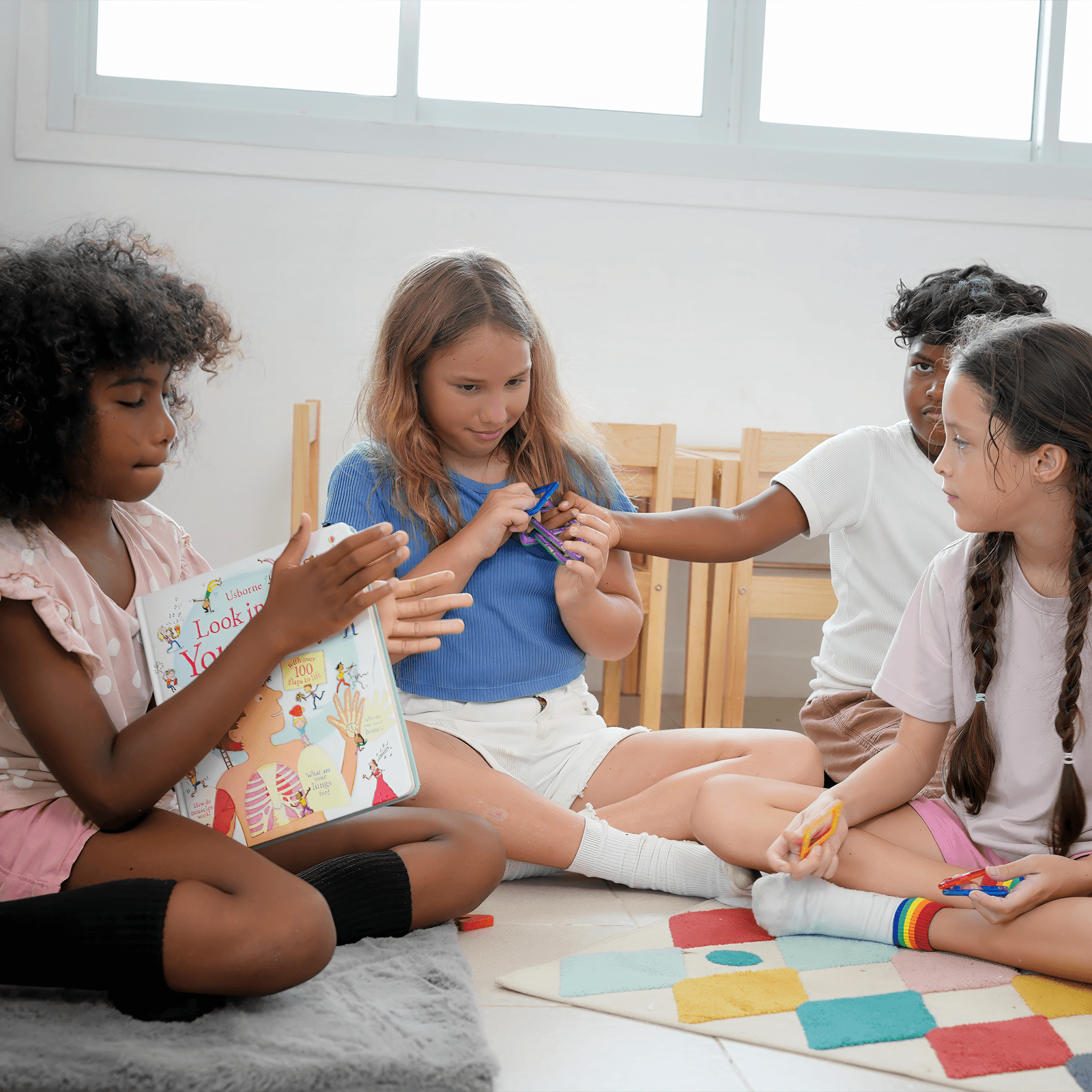
Program Details
Every element of the program is designed to create a comfortable balance between structured learning, peer interaction, encouragement, and practical social experience.
Age Groups
Frequency
Group Size
Led By
Format
Who Can Benefit from Social Skills Groups?
Whether your child is shy, struggles to connect, or needs more tools for complex social situations, our groups offer the right balance of structure, encouragement, and practice.
Children and teenagers diagnosed with Autism Spectrum Disorder who need structured social support.
Kids who struggle with conversation, friendship-building, cooperation, or maintaining peer relationships.
Children who experience social anxiety, difficulty regulating emotions, or discomfort in group situations.
Families looking for evidence-based guidance that helps their child build confidence and independence.
How Our Autism Social Skills Groups Work
Our groups follow a carefully designed model combining direct instruction, peer practice, positive reinforcement, and real-world application.
Therapists introduce social concepts using structured lessons, stories, examples, and visual supports.
Children observe appropriate social behaviors and practice new skills in a safe, supportive setting.
Games, discussions, projects, and shared activities encourage meaningful peer interaction.
Skills are generalized through natural activities, community outings, or carefully selected home assignments.
Positive reinforcement and thoughtful feedback help build confidence, motivation, and consistency.
This structured approach ensures children not only learn social skills, but also feel comfortable applying them in everyday situations.
Why Choose Our Social Skills Program?
Families trust Go Behavioral because our programs combine evidence-based teaching with compassion, encouragement, and respect for every child.
We believe social growth is just as important as academic or behavioral progress.
By fostering communication, friendship, and self-confidence, we help children connect with others and feel that they belong.
Programs are grounded in ABA principles and evidence-backed social teaching methods.
Smaller groups allow individualized attention and more meaningful peer interaction.
Skills are designed to transfer beyond therapy into school, home, relationships, and community life.
Families receive practical strategies and guidance to reinforce social development at home.
Experienced BCBAs and therapists create a safe environment where every child feels supported.
Getting Started with a Social Skills Group
The journey begins with a consultation where our team learns about your child’s unique strengths, needs, interests, and social goals.
We then match your child with an age-appropriate group where they can feel comfortable, supported, and ready to build meaningful connections.
Our team learns about your child’s strengths, challenges, interests, and social development goals.
We match your child with an age-appropriate group based on skill level, needs, and comfort.
Your child begins learning, practicing, and connecting with peers in a supportive group setting.
Families receive ongoing feedback and strategies for supporting social development at home.
From the first session, children begin building connections while families receive guidance for continuing social development at home.
Take the Next Step
Our autism social skills training groups teach practical skills in a fun, supportive environment where children can grow in confidence and build meaningful relationships.
Whether your child struggles to make friends, feels anxious in social settings, or needs additional support to build confidence, our team is here to help.
Contact us today to learn more about our social skills programs and find the right group for your child.
Get Started
Our intake team is here to guide your family through insurance verification, scheduling, assessment, and the beginning of services.